
Imagine a safety net that not only protects your loved ones but also grows with you. Universal life insurance offers you this unique blend of security and flexibility.
But what exactly is it, and how can it benefit you? Understanding universal life insurance might seem daunting at first, but don’t worry—this article is here to break it down for you, step by step. You’ll discover how universal life insurance can adapt to your changing needs, offering you peace of mind and financial growth potential.
Whether you’re planning for the future or looking to make the most of your current resources, knowing how this insurance works could be the game-changer you’ve been looking for. Keep reading to unlock the secrets of universal life insurance and see how it fits into your life’s financial puzzle.
What Is Universal Life Insurance
Universal Life Insurance is a type of permanent life insurancedeath benefitand a savings component. You can adjust the premium payments. This means more flexibility. The policyholder can decide how much to pay. The savings grow over time. These savings are called the cash value. You can use the cash value in many ways. It can pay for premiums. It can be borrowed. It earns interest too.
Universal Life Insurance is different from term life insurance. Term life has no savings part. Universal Life Insurance lasts your whole life. It can be a good choice for people who want long-term coverage. It is important to understand how it works. Talk to an expert for more details.
How Universal Life Insurance Works
Universal life insurance allows flexible premium payments. You can choose to pay more or less. Paying higher premiums helps build cash value faster. Lower payments may slow down growth. Consistent payments are key for maintaining coverage.
The cash value component is a savings element. It grows over time. Interest accumulates based on market rates. You can borrow from this cash value. It provides financial flexibility. However, borrowing reduces the death benefit.
There are different death benefit options. Level death benefit stays the same. Increasing death benefit adds to cash value. Choosing the right option depends on your needs. Both options provide security for loved ones.
Types Of Universal Life Insurance
Guaranteed Universal Life offers stable premiums. It provides a death benefit that lasts for life. The cash value builds slowly. This type is ideal for people wanting permanent coverage. The focus is on the death benefit. It has less investment risk. People like it for its predictability.
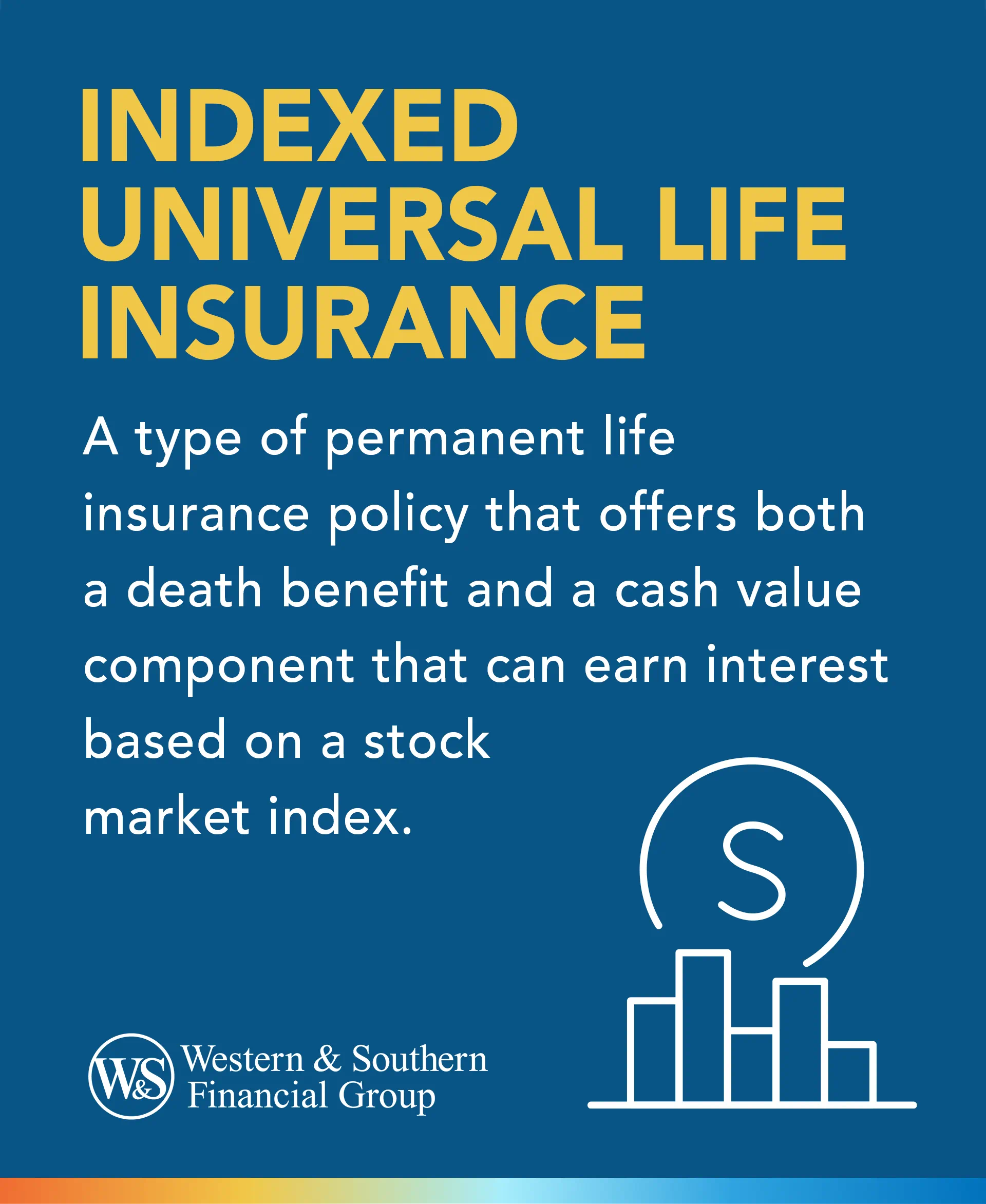
Indexed Universal Life ties cash value to a stock index. It offers flexibility and potential growth. The returns depend on the market. Premiums and death benefits can be adjusted. Policyholders can enjoy higher returns. But, there is also risk. This type suits those seeking investment opportunity.
Variable Universal Life allows investing in various funds. It’s for those who want control over investments. The cash value can grow or decrease. It involves higher risk. Policyholders choose where to invest. It offers flexibility in death benefits and premiums. This type benefits those with investment experience.

Benefits Of Universal Life Insurance
Universal life insurance offers flexible premiums. You can pay less or more each month. This helps when money is tight. No need to worry about fixed payments. Adjust as needed.
The policy can build cash value over time. This is like a savings account. The money grows as you keep the policy. It can help in emergencies. You can use the cash for important needs.
You can change the death benefit amount. This means choosing how much money goes to your family. If you need more or less, you can adjust. It helps meet your family’s needs better.
Drawbacks Of Universal Life Insurance
Complexity and Risksare part of universal life insurance. Many find it hard to understand. The policies have many parts. It may be confusing. Mistakes can happen. It can be risky. Poor management can lead to losses.
There is a Potential for Policy Lapse. If payments are late, the policy may end. The cash value must grow well. If not, the policy can lapse. This can mean losing coverage.
Higher Costs Compared to Term Insurancecan be a concern. Universal life insurance is more costly. Premiums are high. Cash value growth may not cover costs. Term insurance is cheaper. Many choose it for lower costs.
Factors To Consider Before Purchasing
Universal life insurance offers flexibility in premium payments and death benefits. Consider your long-term financial goals. Assess costs and potential returns. Understand policy terms and conditions. Evaluate the insurer’s reputation and financial stability. Examine tax implications and investment options. Make informed decisions to protect your family’s future.
Financial Goals
Financial goals are important. They help you plan your future. Universal life insurance can support these goals. Consider your savings needs. Think about your future expenses. Will you need money for college or retirement? Ensure the insurance meets these needs. The right plan can provide peace of mind. Choose wisely for your future.
Risk Tolerance
Risk tolerance varies by person. Some take more risks. Others like playing safe. Universal life insurance offers flexibility. It has investment choices. Some are riskier than others. Pick an option that suits you. Think about how much risk you can handle. This choice affects your financial security.
Long-term Commitment
Universal life insurance needs commitment. It lasts a long time. Consider your future plans. Are you ready for a long-term plan? This insurance requires regular payments. Missing payments can affect your coverage. Ensure you’re ready for this commitment. Long-term plans need careful thought.
Comparing Universal Life With Other Insurance Types
Universal Life insurance offers flexibility. You can change your premium payments. You can adjust the death benefit. Term Life is simpler. It covers you for a fixed time. Usually, it is cheaper. Universal Life lasts as long as you pay. Term Life ends when the term is over. Universal Life builds cash value. Term Life does not build cash value. Universal Life can be more expensive. Term Life is cost-effective for short-term needs.
Both Universal and Whole Life last your whole life. Universal Life offers more flexibility. You can change your payments. Whole Life has fixed payments. Universal Life builds cash value based on interest rates. Whole Life builds cash value steadily. Whole Life is predictable. Universal Life can be unpredictable. Whole Life has guaranteed cash value. Universal Life cash value depends on market rates. Universal Life can be complex to understand.
Tips For Choosing The Right Policy
Understanding universal life insurance is essential for choosing the right policy. Consider flexibility in premium payments and death benefits. Evaluate long-term financial goals to ensure the policy aligns with your needs.
Assessing Coverage Needs
Think about what you need. How much coverage is enough for you? Consider your family’s future. Will they need money if you are gone? Calculate your expenses. This helps find the right plan. A plan that fits your needs.
Evaluating Insurer Reputation
Choose a company with a good name. Trust is important. Look for reviews. What do others say about them? Are they reliable when you need them? A good reputation means you are in safe hands.
Consulting With Financial Advisors
A financial advisor can help you. They know a lot about money. Ask them questions. They can guide you to the best plan. Make sure they understand your needs. This way, you make the right choice.
Common Misconceptions
Misunderstandings about universal life insurance often arise due to its flexible nature. Many people incorrectly believe it offers fixed premiums and benefits. Clarifying its adjustable premiums and cash value potential can help clear confusion.
Universal Life As An Investment
Many think universal life insurance is a great investment. This is not always true. The policy offers flexibilityand cash value growth. Yet, it does not promise high returns. The growth depends on interest ratesand policy costs. People often forget these costs can be high. This reduces the cash value.
Guaranteed Returns Myth
Some believe universal life insurance gives guaranteed returns. This is a myth. The returns are not always certain. They can change with the economy. The policy is not like a savings account. It’s a mix of insurance and investment. The returns may vary, sometimes less than expected.
Frequently Asked Questions
What Is Universal Life Insurance?
Universal life insurance is a flexible, permanent life insurance policy. It combines lifelong coverage with investment savings. Policyholders can adjust premiums and death benefits. It offers a cash value component that grows over time. This cash value can be accessed for loans or withdrawals.
It’s suitable for those seeking flexibility and lifelong protection.
How Does Universal Life Insurance Work?
Universal life insurance works by combining life coverage with an investment component. Policyholders can adjust their premiums and death benefits. The policy’s cash value earns interest over time. It offers flexibility in managing premiums. Policyholders can withdraw or borrow against the cash value.
It provides lifelong coverage and investment opportunities.
Can I Adjust Premiums With Universal Life Insurance?
Yes, universal life insurance allows premium adjustments. Policyholders can increase or decrease premium payments. This flexibility helps manage changing financial situations. Adjusting premiums affects the policy’s cash value and coverage. It’s important to monitor the policy regularly. Consulting with an insurance advisor ensures you make informed adjustments.
What Are The Benefits Of Universal Life Insurance?
Universal life insurance offers several benefits. It provides lifelong coverage and flexible premium options. Policyholders can adjust death benefits and premiums. The cash value component grows tax-deferred. You can access it through loans or withdrawals. It’s suitable for those seeking long-term protection and investment growth.
Conclusion
Universal life insurance offers flexibility and long-term benefits. Policyholders can adjust premiums and coverage. It combines life insurance and investment. This can help grow your cash value. Consider your financial goals and needs. This insurance might suit those seeking adaptable protection.
Always consult a financial advisor. They can provide personalized advice. Understanding options ensures informed decisions. Secure your future with the right choice. Explore all insurance types thoroughly. Make sure your selection aligns with your lifestyle. Peace of mind is important.
Choose wisely for your loved ones’ security.
Read More:
- Commercial Property Insurance Calculator: Maximize Savings Today
- Professional Liability Insurance Cost: Essential Budget Tips
- Whole Life Cash Value Growth Explained: Unlock Wealth Potential
- Best Landlord Property Insurance Plans: Ultimate Guide
- Best Car Insurance Rates 2025: Unlock Savings Now!
- Rv Storage Insurance for Winter: Secure Your Investment
- 2025 Individual Marketplace Insurance Tips: Maximize Savings
- Full Coverage Vs. Liability Car Insurance: Ultimate Guide