
Choosing the right car insurance can be confusing. With terms like “full coverage” and “liability” thrown around, it’s easy to feel overwhelmed.
But don’t worry; you’re not alone. Understanding the difference between these two types of car insurance is crucial. It can impact not just your peace of mind, but also your wallet. Imagine this: you’re driving down the road, feeling safe and secure, knowing that you’ve chosen the best insurance for your needs.
Or worse, you’re involved in an accident and suddenly find out your coverage isn’t enough. This article will help you avoid that scenario. By the end of it, you’ll have a clear understanding of what full coverage and liability car insurance really mean, and which one fits you best. Keep reading to discover the secrets that could protect your financial future.

What Is Full Coverage Insurance?
Full coverage insuranceincludes three main parts. The first part is collision coverage. It pays for car repairs after an accident. The second part is comprehensive coverage. It covers theft, fire, or natural events. The third part is liability coverage. It pays for damage to others in an accident. Together, these cover many risks. Drivers feel safer with full coverage.
Full coverage offers many benefits. It pays for repairs after accidents. This helps save money. It covers events other than crashes. Theft or fire are examples. Many find this valuable. It also covers damage to others. This reduces stress after accidents. Full coverage brings peace of mind.

Understanding Liability Insurance
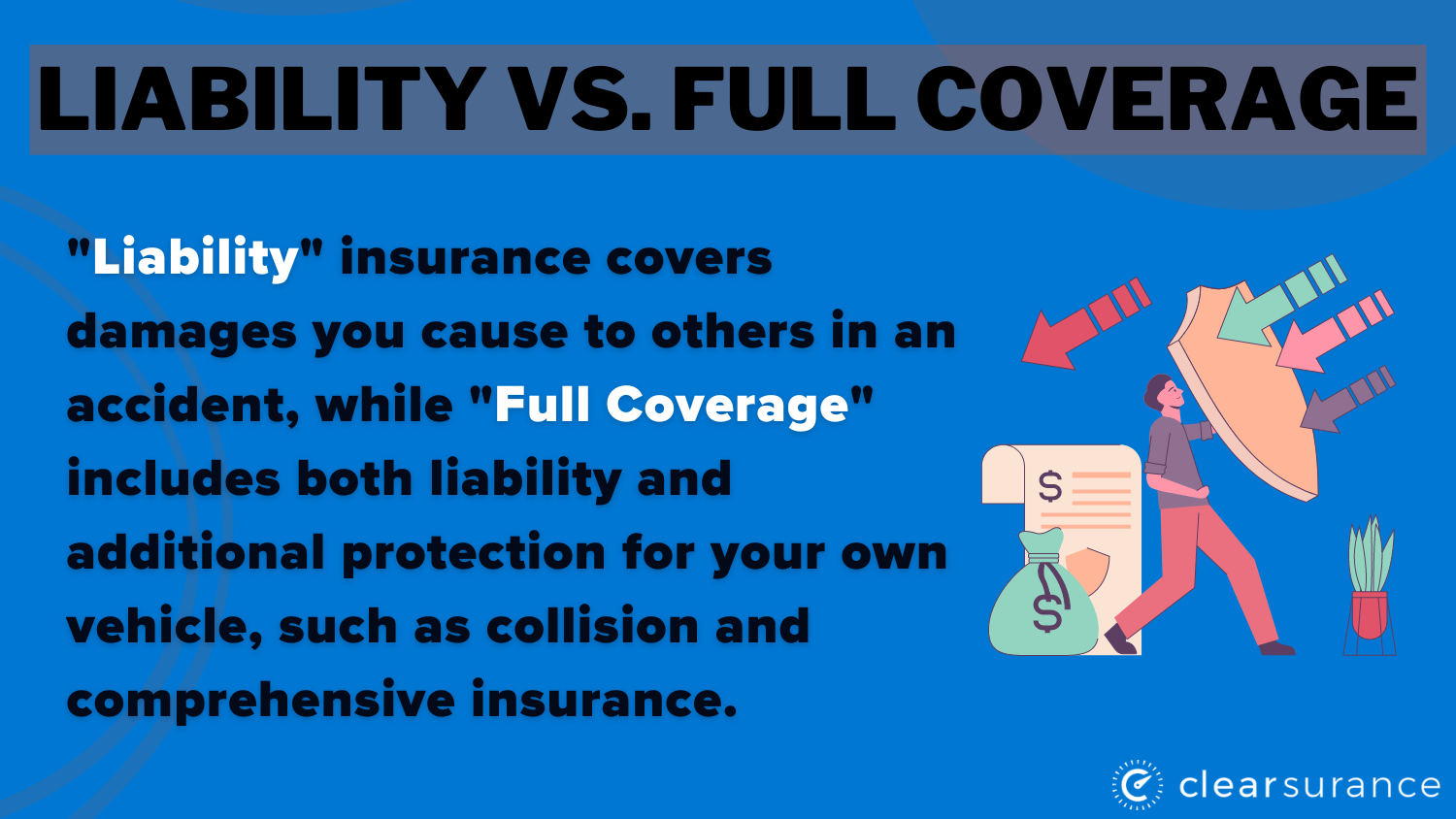
Comparing full coverage and liability car insurance reveals distinct differences. Full coverage offers broader protection, including damages to your vehicle. Liability insurance covers costs if you’re responsible for an accident. Choosing the right one depends on your needs and financial situation.
Understanding these options helps make informed decisions.
Types Of Liability Coverage
Liability insurance offers two main types. First is Bodily Injury Liability. This covers costs if you hurt someone in a car accident. Second is Property Damage Liability. It helps when you damage another person’s car or property. Both types are important. They protect you from big bills. Without them, you pay out of pocket. This can be very expensive.
Advantages Of Liability Insurance
Liability insurance has many advantages. It protects your savings. You don’t have to pay large sums if you cause an accident. It also covers legal costs if someone sues you. This is very helpful. It can save you a lot of money. Insurance can give you peace of mind too. You feel safer on the road. Knowing you have coverage helps. It is a smart choice for all drivers.
Cost Differences
The cost of car insurance depends on several key factors. Your driving record is one of the biggest factors. If you have many accidents, rates will be higher. Age also affects costs; younger drivers pay more. Car type influences price too. A sports car may cost more to insure. Where you live can change rates. Urban areas often mean higher costs.
Full coverageinsurance generally costs more than liabilityinsurance. This is because full coverage protects against more risks. Liability insurance covers damage to others. Full coverage includes damage to your car. It also covers theft and weather damage. Many people choose full coverage for peace of mind. Budget-focused drivers often pick liability. Always compare prices before choosing. This helps find the best deal.
Coverage Scenarios
Full coverage is best for new cars. New cars cost more to fix. Full coverage protects against big repair bills. It also helps if you have a loan on your car. Lenders often want full coverage. This type of insurance also covers theft. So, it is good in areas with high car theft rates. Full coverage can give peace of mind. You won’t worry about big costs from accidents.
Liability insurance is good for older cars. Old cars may not be worth much. Fixing them can cost more than their value. Liability insurance covers damage you cause to others. It does not cover your own car. This type is also cheaper. Good for people on a tight budget. If you drive less, liability might be enough. It is simple and protects against big lawsuits.
Legal Requirements
Every state has different rules for car insurance. Some states require more coveragethan others. Always check your state’s laws to know what’s needed. Minimum coverage means the least amount of insurance you must have. This coverage usually includes liability insurance. Liability insurance pays for damages if you cause an accident. Some states also need uninsured motorist coverage. This helps if someone hits you and they have no insurance. It’s important to understand these rules. Staying informed keeps you safe and legal.
Minimum Coverage Laws
Minimum coverage laws vary by state. In one state, you might need just liability insurance. In another, you might need more. Check your state’s requirements. This keeps you from getting in trouble. Sometimes, you need more than just the minimum. This is to protect you better. Consider your options carefully. Insurance is there to help if accidents happen. Make sure you have what you need.
Impact On Financial Security
Full coverage helps in protecting your finances. It covers damages to your car and others’. This insurance takes care of repair costs. It can also cover theft or weather damage. You pay more for full coverage. But it offers more financial safety. You avoid big out-of-pocket expenses. It is like a safety net for your car.
Liability insurance covers damage you cause to others. It does not cover your car. This insurance has limits. If costs exceed these limits, you pay the rest. Choosing liability means lower monthly payments. But, it offers less protection. You face risks with high repair bills. Liability is basic coverage. It is cheaper but has less security.
Choosing The Right Insurance
Choosing insurance depends on personal factors. Financial security is important. Think about your budget. Do you have savings for emergencies? Full coverage offers more protection. Liability costs less but covers less. Consider your driving habits. Do you drive often or rarely?
Car value matters in insurance choice. Is the car new or old? New cars benefit from full coverage. Older cars might be better with liability. Repairs can be costly. Full coverage helps with repair costs. Is your car worth a lot? Protecting valuable cars is wise. Assess your car’s worth before deciding.
Common Misconceptions
Many think full coverage means total protection. This is a myth. Full coverage does not cover everything. It includes collision and comprehensive. Collision covers car damage from crashes. Comprehensive covers theft and natural events. Full coverage can be costly. It’s not always necessary. Understand your needs before choosing. Never assume full coverage means full protection.
Some believe liability covers their car too. This is a misunderstanding. Liability only covers others. If you hit someone, it pays for their damage. It does not pay for your car repairs. Liability is often cheaper than full coverage. It’s basic and meets legal requirements in many places. Know its limits before deciding. Always read the terms carefully.
Tips For Cost Savings
Choosing between full coverage and liability car insurance can greatly impact your expenses. Full coverage offers broader protection but costs more. Liability insurance is cheaper, covering only damages you cause to others. Balancing cost with coverage needs is key to smart savings.
Discount Opportunities
Many insurance companies offer discounts. Safe drivers often get lower rates. Students with good grades might pay less too. Some insurers give discounts for having safety devices in your car. Always ask about available discounts.
Bundling Insurance Policies
Combining policies can save money. Bundle car and home insurance for better deals. Insurance companies love when you buy more from them. Keep all your policies with one company. This can lead to big savings. Always check if your insurer offers bundling.
Frequently Asked Questions
What Is Full Coverage Car Insurance?
Full coverage car insurance typically includes liability, collision, and comprehensive coverage. It protects against damage to your car and others’. While not legally required, it’s often necessary for financed or leased vehicles. Full coverage offers broader protection than liability insurance alone, offering peace of mind in various situations.
How Does Liability Insurance Work?
Liability insurance covers damages you cause to others in an accident. It includes bodily injury and property damage. This type of insurance is legally required in most states. It doesn’t cover your own vehicle’s damages, making it less comprehensive than full coverage insurance.
Is Full Coverage More Expensive Than Liability?
Yes, full coverage insurance generally costs more than liability. This is because it offers broader protection. Full coverage includes collision and comprehensive insurance, which increases premiums. However, the added protection can be worth the extra cost for many drivers.
Do I Need Full Coverage On An Old Car?
Full coverage on an old car may not be necessary. Consider your car’s value and your financial situation. If the cost of insurance exceeds the car’s value, liability might be sufficient. However, if your car is valuable or financed, full coverage may be worthwhile.
Conclusion
Choosing the right car insurance can be challenging. Full coverage offers more protection. Liability insurance costs less but covers fewer incidents. Consider your budget and vehicle needs. Think about your driving habits and risks. Full coverage might suit new cars better.
Liability could fit older cars or tight budgets. Weigh these factors carefully. Your choice affects your peace of mind and wallet. Make an informed decision based on your priorities. Ensure your insurance meets your needs today. Stay protected on the road ahead.
Read More:
- Universal Life Insurance Explained: A Comprehensive Guide
- Commercial Property Insurance Calculator: Maximize Savings Today
- Professional Liability Insurance Cost: Essential Budget Tips
- Whole Life Cash Value Growth Explained: Unlock Wealth Potential
- Best Landlord Property Insurance Plans: Ultimate Guide
- Best Car Insurance Rates 2025: Unlock Savings Now!
- Rv Storage Insurance for Winter: Secure Your Investment
- 2025 Individual Marketplace Insurance Tips: Maximize Savings